
Why Good Design Takes Time, and Why It Is Worth the Wait
In a world that moves quickly, it can be tempting to want a home to transform just as quickly. A few inspiration images, a deadline on the calendar, a contractor ready to begin, and suddenly the question becomes: how fast can this be done?
But good interior design does not work that way. At least, not when the goal is a home that feels personal, elevated, gracious, and deeply considered.
A thoughtful interior design timeline is not about dragging things out. It is about giving a project the room it needs to become what it is supposed to be. It is about allowing ideas to filter, materials to be sourced properly, details to be resolved, and the many people involved in a project to do their best work.
For our studio, the custom design process has never been about rushing toward a reveal. It is about creating a home that feels like it belongs to the people who live there, not just something that was assembled quickly for a photograph.
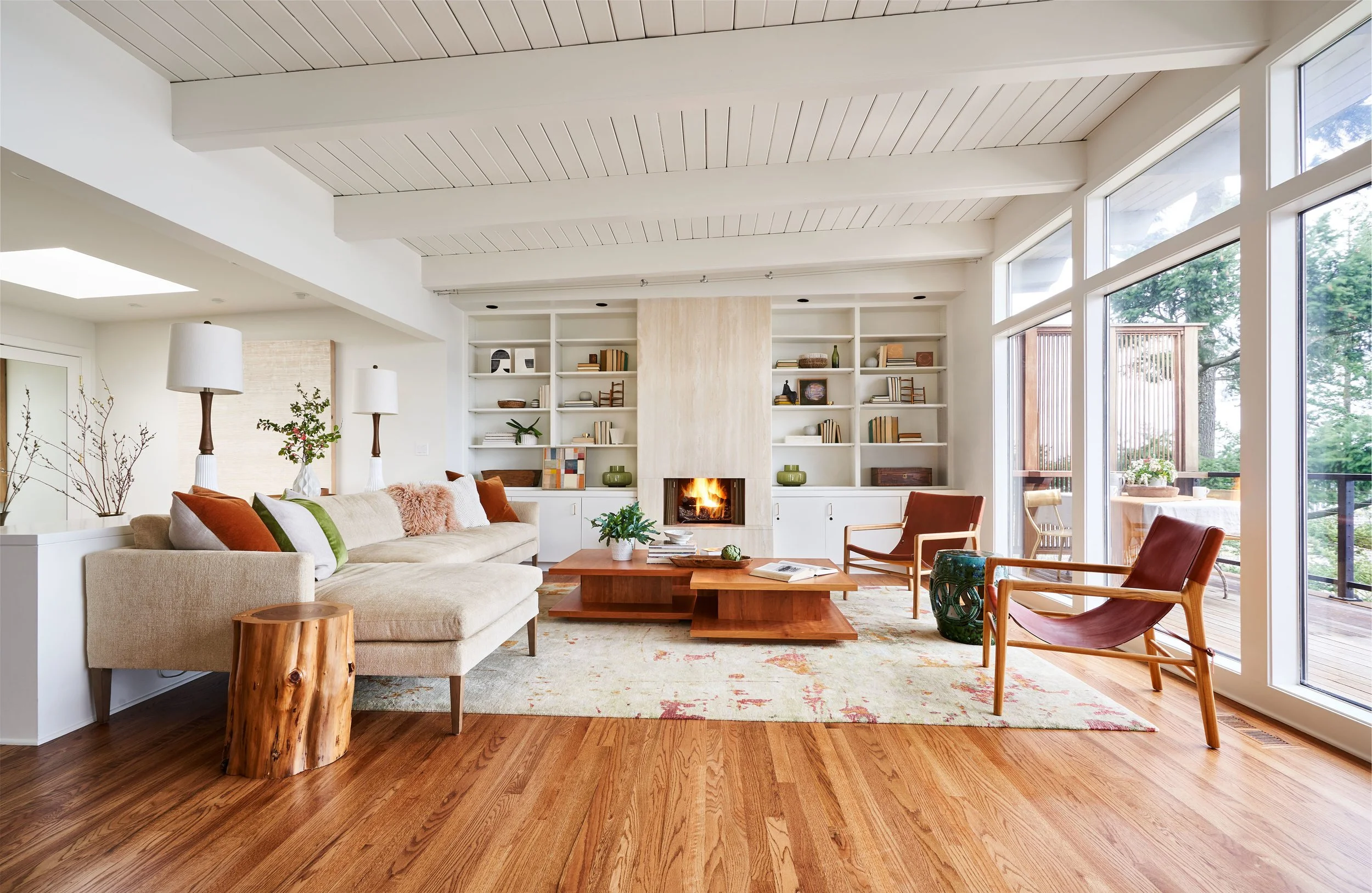
Design Is a Filtering Process
When we begin a project, we are never starting with a blank, empty room and unlimited possibilities. There is always some kind of parameter. The architecture. The light. The client’s needs. The way the family lives. The things they already own and love. The limitations of the home itself.
That tension is part of what makes design interesting.
A good design process takes all of those pieces and begins to filter them. What does the client want? What do they need? What does the house want to be? What is possible from a construction standpoint? What will feel beautiful now, but also continue to feel right years from now?
There is no drawer we open that has all the answers neatly waiting inside. Design is more of a push and pull. An idea may seem right in the beginning, then shift once it is put into plan. Sometimes one idea falls away, but a small part of it becomes the thing that unlocks the rest of the room. That takes time.
When a project is rushed, you miss those moments. You miss the opportunity to see around corners. You miss the little discoveries that happen when ideas are allowed to settle. You also miss the chance to bring the client along for the ride, to have the conversations that make the project better.
Sometimes a client will offer one small thought, and that thought redirects something in the most wonderful way. That is not inefficiency. That is the work.
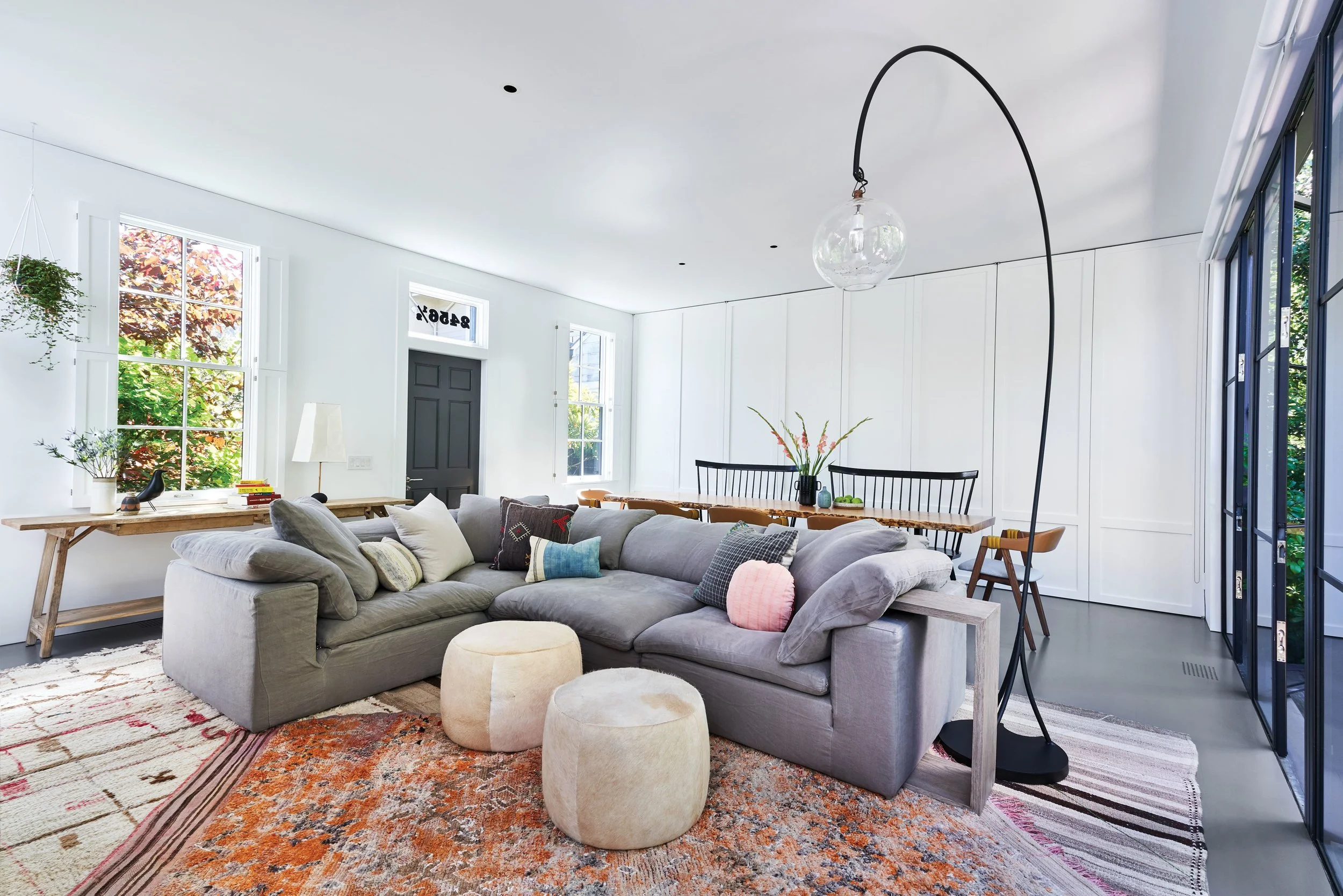
Why the Interior Design Timeline Matters
The relationship between timeline, quality, and the success of a project is deeply connected. You cannot really separate the three. When someone begins a project by saying, “I need this finished by Thanksgiving,” or “I need this done in six weeks,” they may not realize it, but they are often creating stress before the project has even begun.
Of course, everyone wants the work to be completed. Designers, contractors, vendors, tradespeople, and clients all want the project to move forward. No one wants a home to sit unfinished. But there is a difference between wanting a project completed and forcing it to be completed before it has had the time it needs.
A strong interior design timeline gives the project structure. It keeps everyone moving. But it also allows enough space for real decisions to be made well. Flooring, tile, counters, lighting, furnishings, vintage pieces, custom work, framing, upholstery, installation, and the work of skilled trades all have their own timelines. When those are compressed too tightly, something usually suffers. And usually, it is the detail.
A Thoughtful Process Creates Clarity
Over the years, our studio has developed a design process that works because it is clear, detailed, and tested. We have learned, sometimes the hard way, that when too many steps are skipped, things start to go wrong.
A thoughtful process does not mean presenting endless options. In fact, too many options often confuse people. Our goal is to present concepts that are already deeply considered. If we are designing a kitchen, for example, we are not simply showing a pretty idea and saying, “Here it is.” We are thinking through the tile, the counter height, the counter thickness, the window placement, the materials, the availability, and whether the whole thing can actually be built.
Even at the concept stage, the design needs to be grounded in reality. That level of detail creates clarity for us, and it creates clarity for our clients. It allows them to respond to something that is thoughtful and close to real, rather than trying to imagine their way through a vague idea.
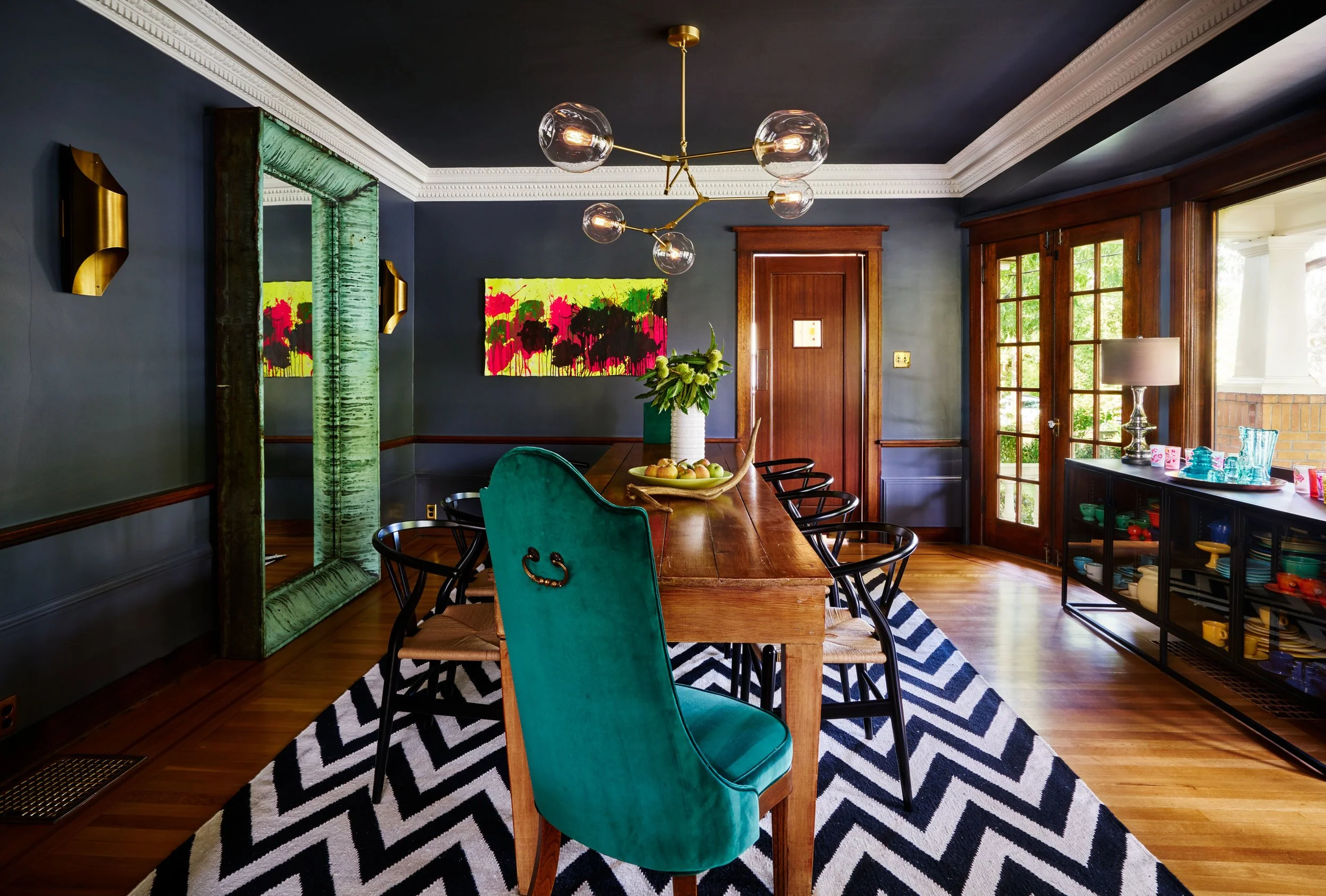
The Right Piece Is Worth Waiting For
Our work often includes vintage sourcing, antiques, artisan pieces, and custom details. Those elements naturally change the timeline of a project, but they also change the meaning of the finished home. There is a difference between choosing what is immediately available and waiting for the piece that feels right.
Something available now may look pretty. It may be fine. It may fill the space. But when we wait for the right vintage piece, the right light fixture, the right table, the right work of art, the room becomes something else. It looks considered. It feels more like the client. It has soul.
Sometimes we do use a placeholder. There are moments when a room needs something functional while we continue looking for the real piece. Maybe the client needs a place to set a drink, and the final table simply has not appeared yet. That can work beautifully, as long as everyone understands that it is temporary.
Then, when the right piece does arrive, there is a kind of excitement that cannot be rushed. It feels found. It feels earned. It feels like it belongs. That is one of the quiet gifts of a custom design process. It leaves room for discovery.
Rushing Can Cost You the Magic
When people think about rushing interior design, they often think only about the designer. But a home is created by many hands.
There are contractors, painters, wallpaper hangers, framers, upholsterers, fabricators, installers, artists, and vendors. Each person contributes something important. When everyone is given the time and respect to do their work properly, there is a camaraderie that begins to form around the project.
Everyone becomes invested in the same goal: making the home beautiful. When a project is rushed simply for the sake of reaching the finish line, that chemistry can be lost. People start doing only what is necessary to get it done. The work becomes pressured instead of thoughtful.
But when the process is allowed to unfold with care, the work is more thorough. The details are better. The experience is better. The finished home carries that energy. You can feel it.
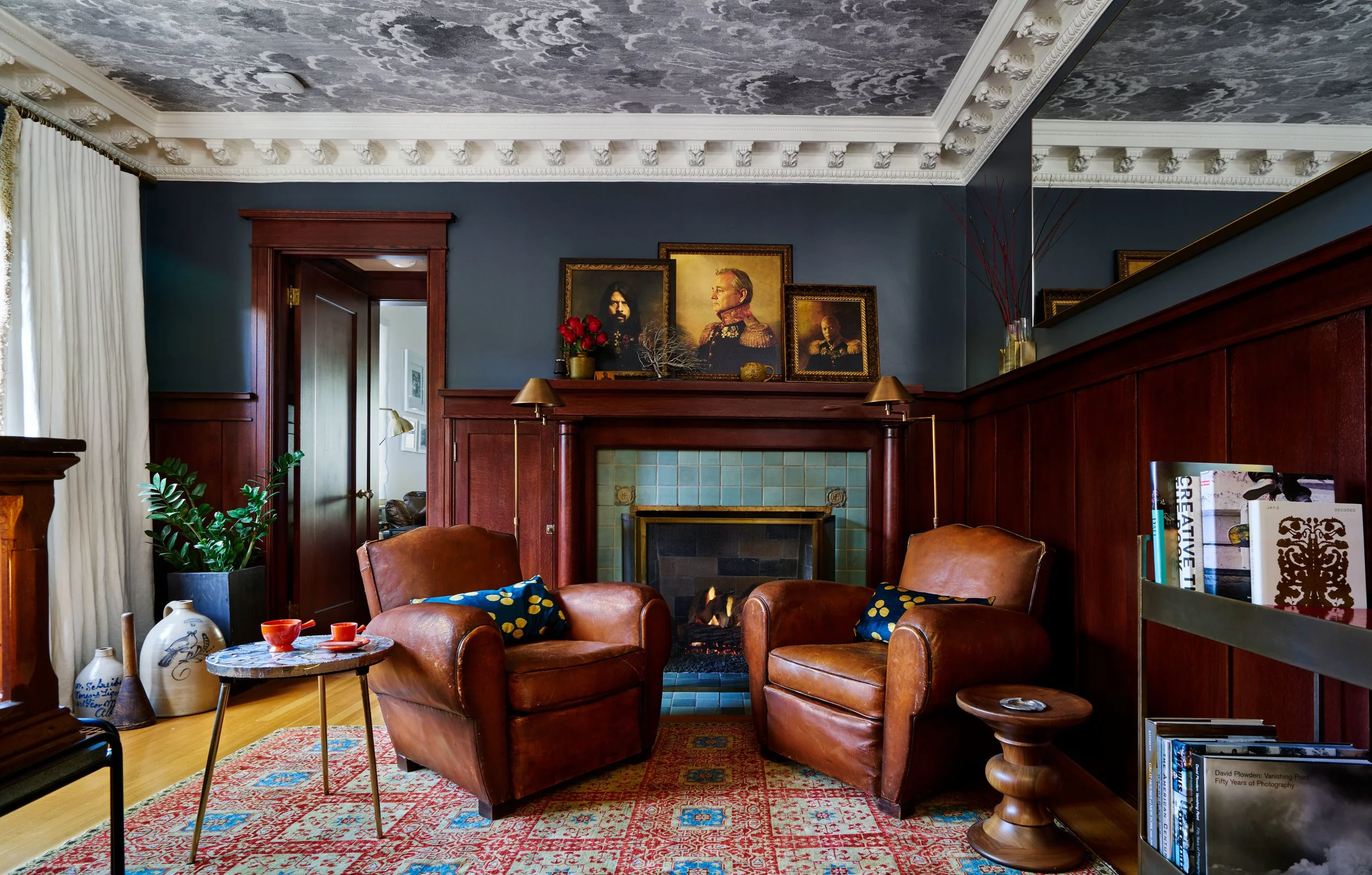
What Happens When Clients Let Go of the Pressure
Many clients come into a project with a deadline in mind. Sometimes it is a holiday. Sometimes it is a party. Sometimes it is simply a date they have decided the house should be finished by.
And sometimes, despite everyone’s best efforts, the project does not meet that original date. The design takes longer. The contractor’s schedule shifts. A material is delayed. A decision needs more time. Life happens.
What we often see is that, eventually, the client realizes the pressure they were carrying was not serving them. Once they let go of the arbitrary deadline, they begin to enjoy the process more. They settle into it. They notice the decisions. They appreciate the details. They become part of the unfolding rather than feeling like they are racing against it.
By the time the furniture is installed and the last pieces come into place, there is often a bittersweet feeling. Everyone wanted the project to be done, of course. But then it is done, and the house becomes quiet again. The people who were part of that transformation are no longer coming through the door every day. There is something very sweet about that. It means the process mattered too.
Good Design Is Built on Respect
The longer I have worked in design, the more I have come to believe that the best projects are built on respect. Respect for the client. Respect for the home. Respect for the trades. Respect for the process. Respect for the time it takes to do something well.
Little by little, through the projects that went beautifully and the ones that taught us what not to repeat, our studio has become more committed to protecting that process. We want to work with good people. We want the people on our projects to be treated well. We want the information we hand off to contractors, vendors, and trades to be as thoughtful and considered as possible.
Because the project reflects that. A home carries the energy of how it was made. When the process is rushed, strained, or unclear, that often finds its way into the work. But when the process is intentional, collaborative, and properly paced, the result has a different feeling altogether.
It feels calm. It feels layered. It feels personal. It feels like someone cared. And that is always worth waiting for.