
Interior Design is Self-Care: Creating a Space That Supports Your Well-Being
Every time I begin a new project, I start with a simple question: how do we make this home kinder to live in? Not just prettier. Kinder. Because when a space supports you, your shoulders drop, your breath evens out, and the day feels a little easier. That, to me, is self‑care.
A House That Greets You
When I think about a home that truly supports well‑being, I think about ease. You walk in and the house says hello: a beautiful dish for your keys, a comfortable spot to sit and take off your shoes, a place to set a bag. It looks lovely to a guest, and it is just as useful to the person who lives there every day. Welcoming, invitational, gracious, that’s the tone I’m always after, and I want every room to treat you the same way.
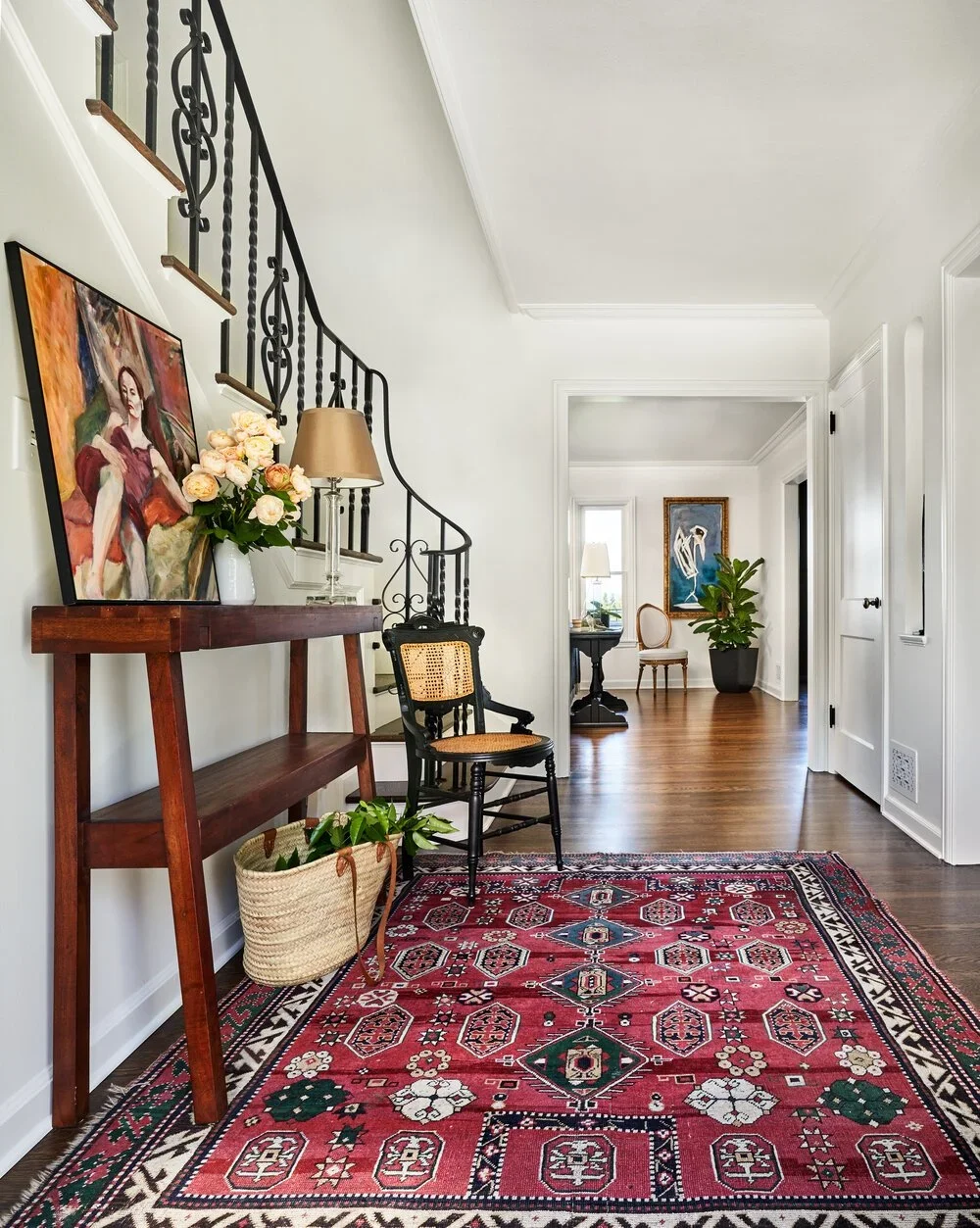
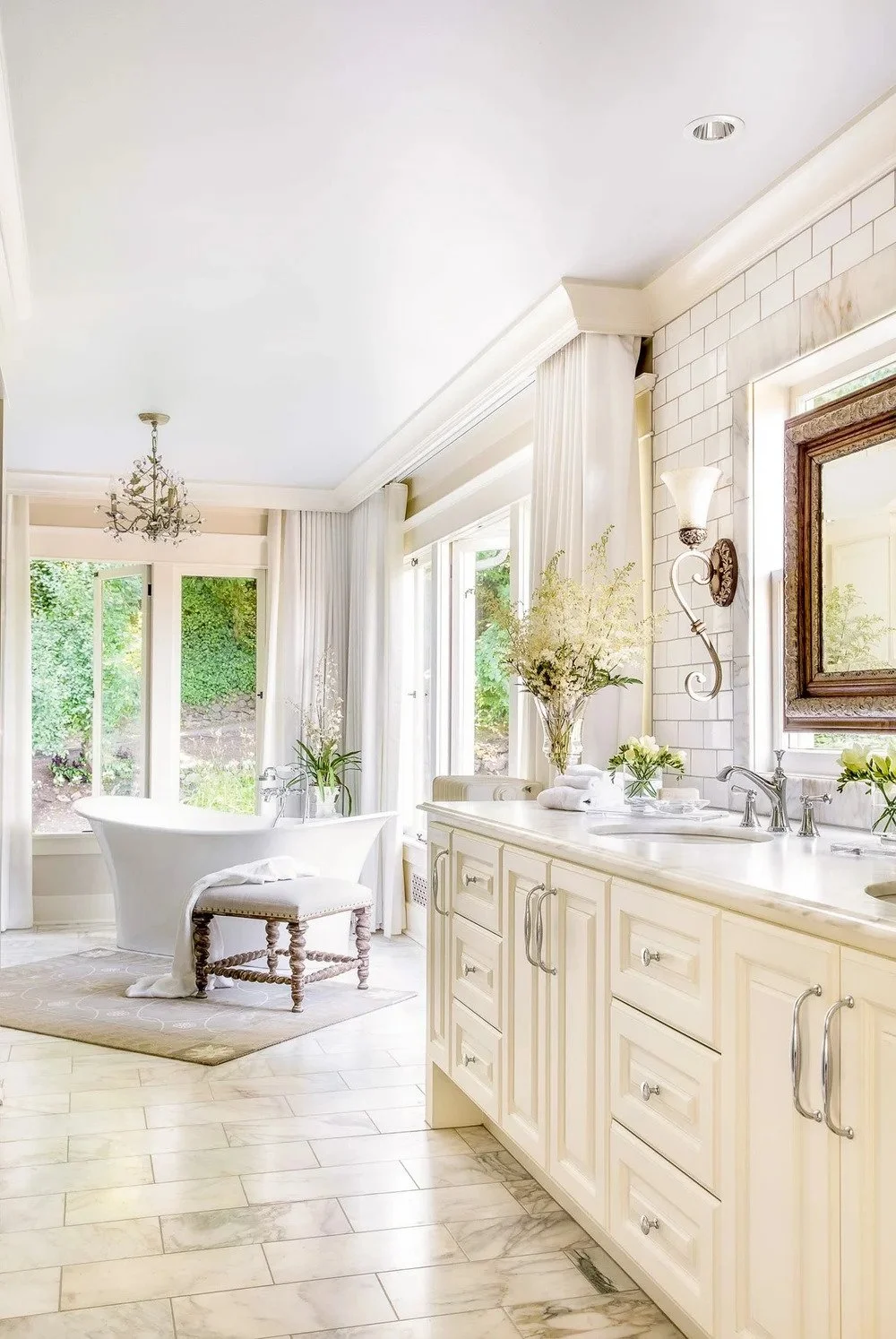
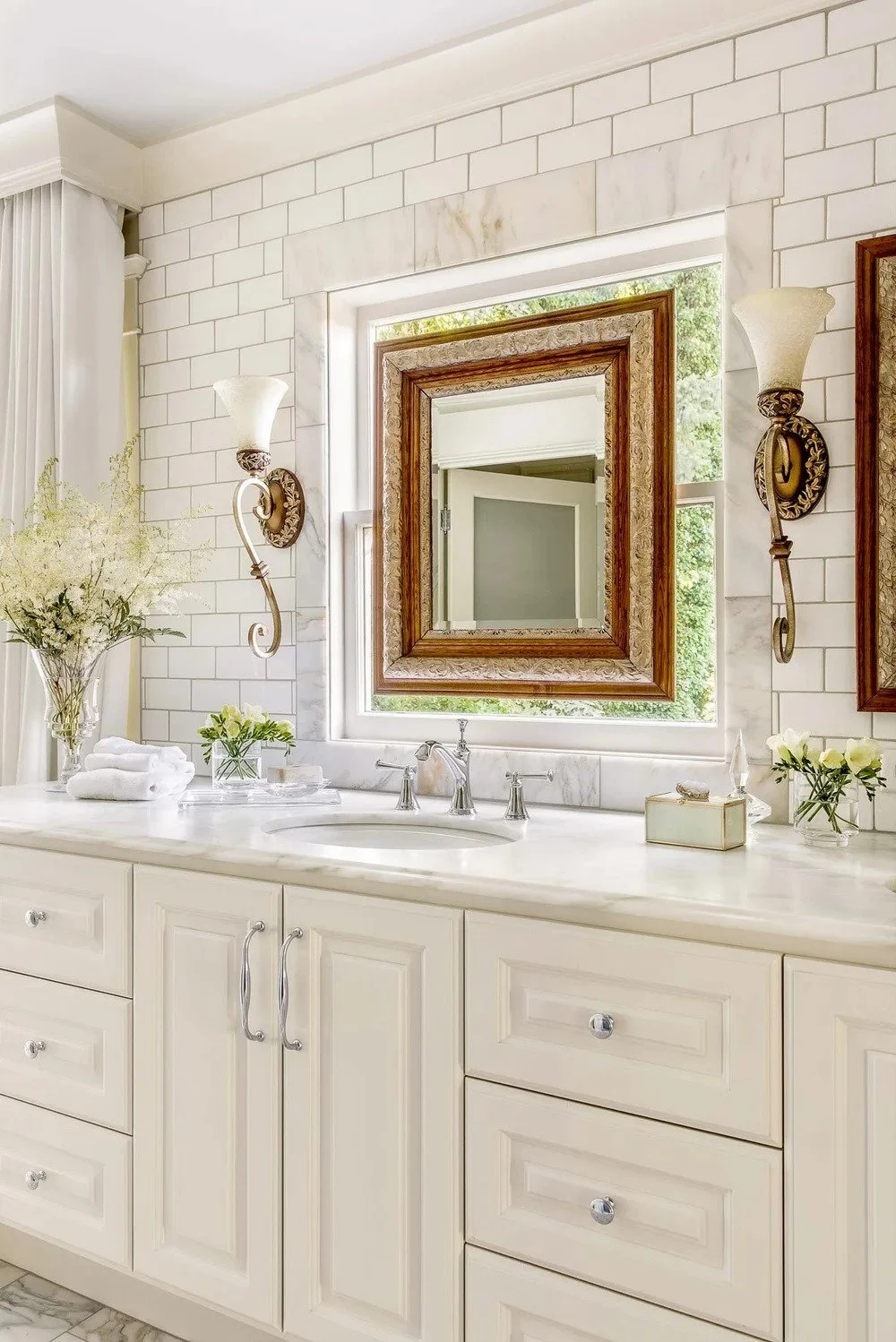
Natural light (and lighting you can control) is foundational to calming interiors. I like to keep people close to daylight when they read or work, and then move to dimmable lamps in the evening so the nervous system can settle. Mirrors can bounce a garden view deeper into a room.
If screens are part of life, and they are, I let them exist without letting blue light be the main character. Good windows, layered lamp light, and the ability to dim bring the energy down to a human level.
Nature, Materials, And The Long View
I reach for real materials because they are kind to live with: wood, stone, wool, linen, and living metals like brass.
They age beautifully and don’t fight your body. Plants matter more than most people realize; having something alive near you (or a view to something green) is good for you. I choose textiles and furnishings that you can actually use and wash, with finishes that wear in, not out.
Sound is an element we often forget. Everyone has their sensitivities, mine include loud chewing, so I plan for quiet. Rugs, drapery, and upholstery soften reflections so voices land gently. Music helps; putting on an album can reset the mood of a space in seconds. Scent is powerful, too. A home that smells clean and calm, not perfumed, goes straight to the nervous system.
How Surroundings Shape Mood
Your environment affects you, even if you think it doesn’t. When a room is cluttered or unfinished, your brain keeps a running tally in the background. Tidying a surface, clearing a corner, or editing a closet can make you feel noticeably better. We respond to what we see, touch, hear, and smell. That is why so much of our world is drawn to interiors; spaces feed us.
If there is a piece you dislike because it belongs to another version of you (or another person altogether), let it go. Give it to someone who will love it. A space that reflects who you are now is a healthier space to live in.
Scale, Flow, And Feeling Held
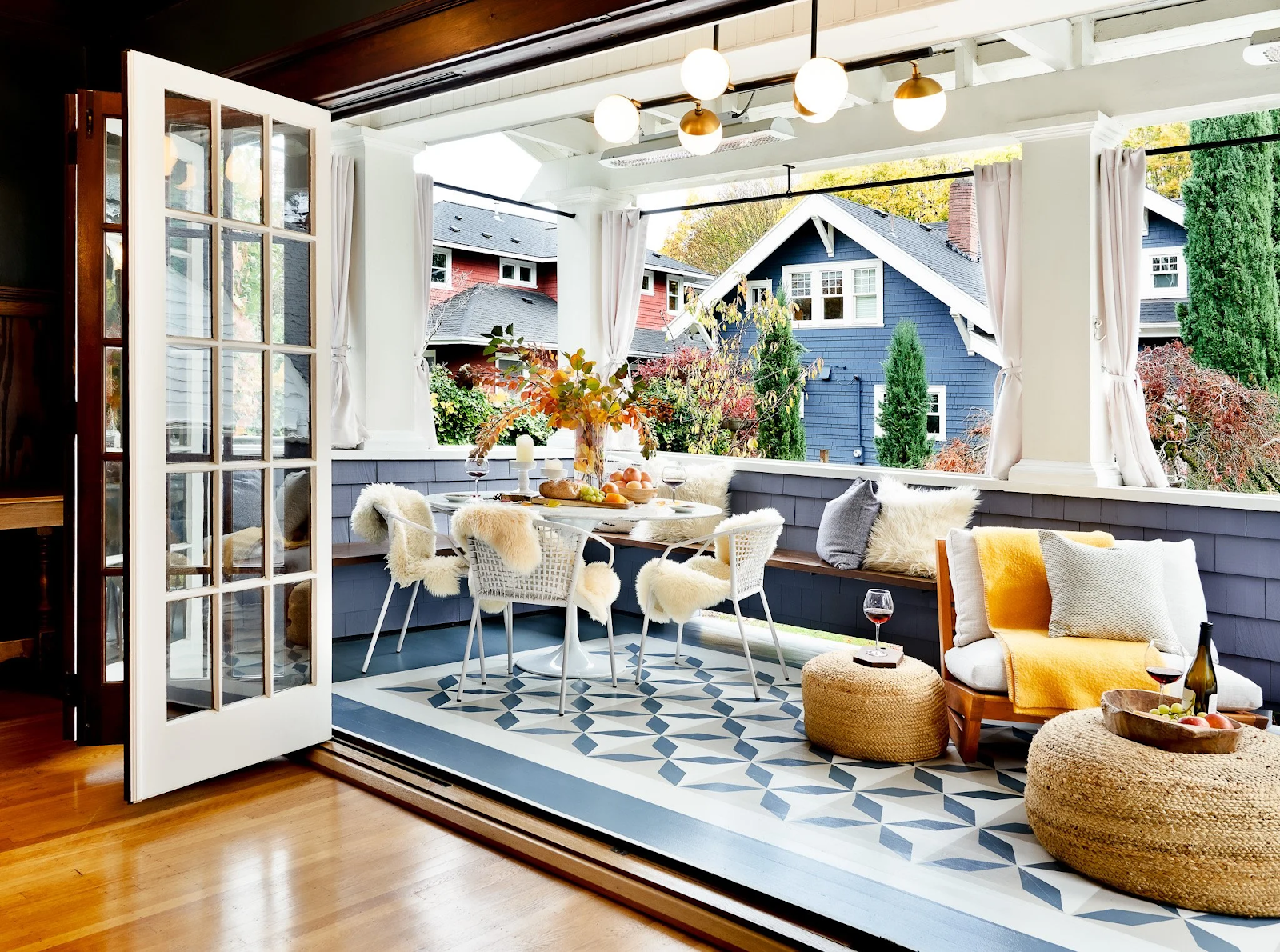
People feel scale, even without language for it. If a room soars and leaves you a little untethered, I bring the visual height down with color, fixtures, or layers so the space holds you. If a ceiling is low and cozy, I celebrate that and keep it warm. Furniture should be kind to use, easy to sit into, easy to stand up from, with a spot for a book or a glass. When flow and scale are right, your body relaxes on its own.
Context matters too. In the American South, very high ceilings were historically used to move heat up and out; in the Northeast, lower ceilings kept warmth close in winter. Those decisions were about comfort for the humans inside, not spectacle. I try to design with that same human scale in mind, whatever the architecture.
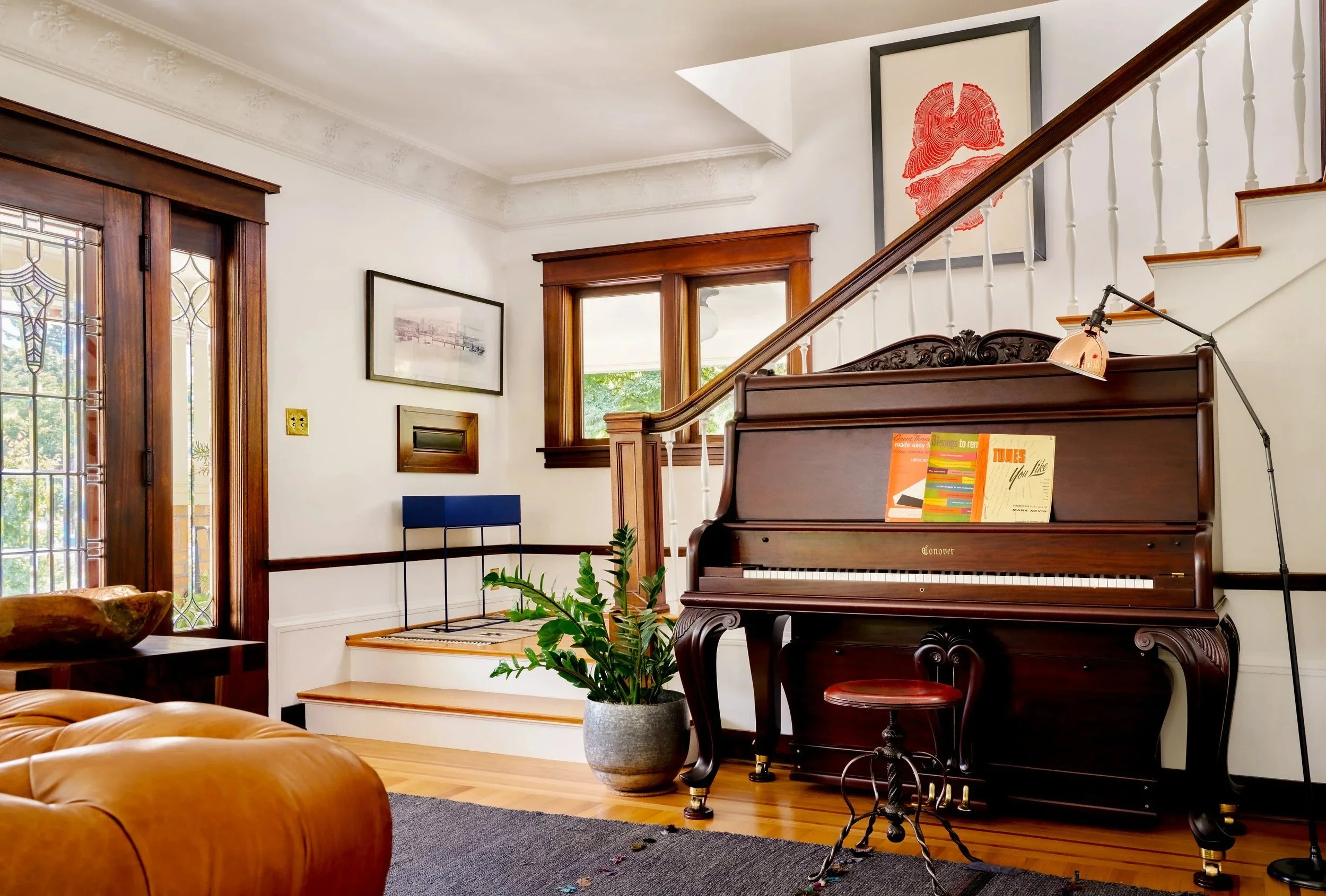
I like to build everyday rituals into the bones of a room. A chair placed in the best morning light, if you read at sunrise. A record player near the sofa, so putting on an album becomes part of coming home. A tray for tea. A lamp at the right height so faces are beautiful at night. These small, habitual comforts lower stress in a way you can feel.
Start Here: A One‑week Reset
If you want change without a remodel, try this gentle reset:
Edit. Clear the piles. Let go of what you do not like or use. Make space to breathe.
Arrange for real life. Place furniture for how you actually use the room, not how a catalog staged it.
Bring what you love forward. The photo, the painting from a trip, the bowl you reach for daily, put those where you see them.
Tune the light and sound. Add a dimmer, a floor lamp, a rug, and one living plant. Put on music when you walk in the door.
Small changes, thoughtfully made, can shift how you feel at home.
I hear it in texts and photos from my clients all the time - “We never used this room before, now we live in it.” Or after a party, they say, “Every room was used; everyone had a favorite spot.” That is always the goal, no spaces, you just stare at. Houses feel better when every room participates in your life.
Project Spotlight: A Game Room That Cares For Its Person
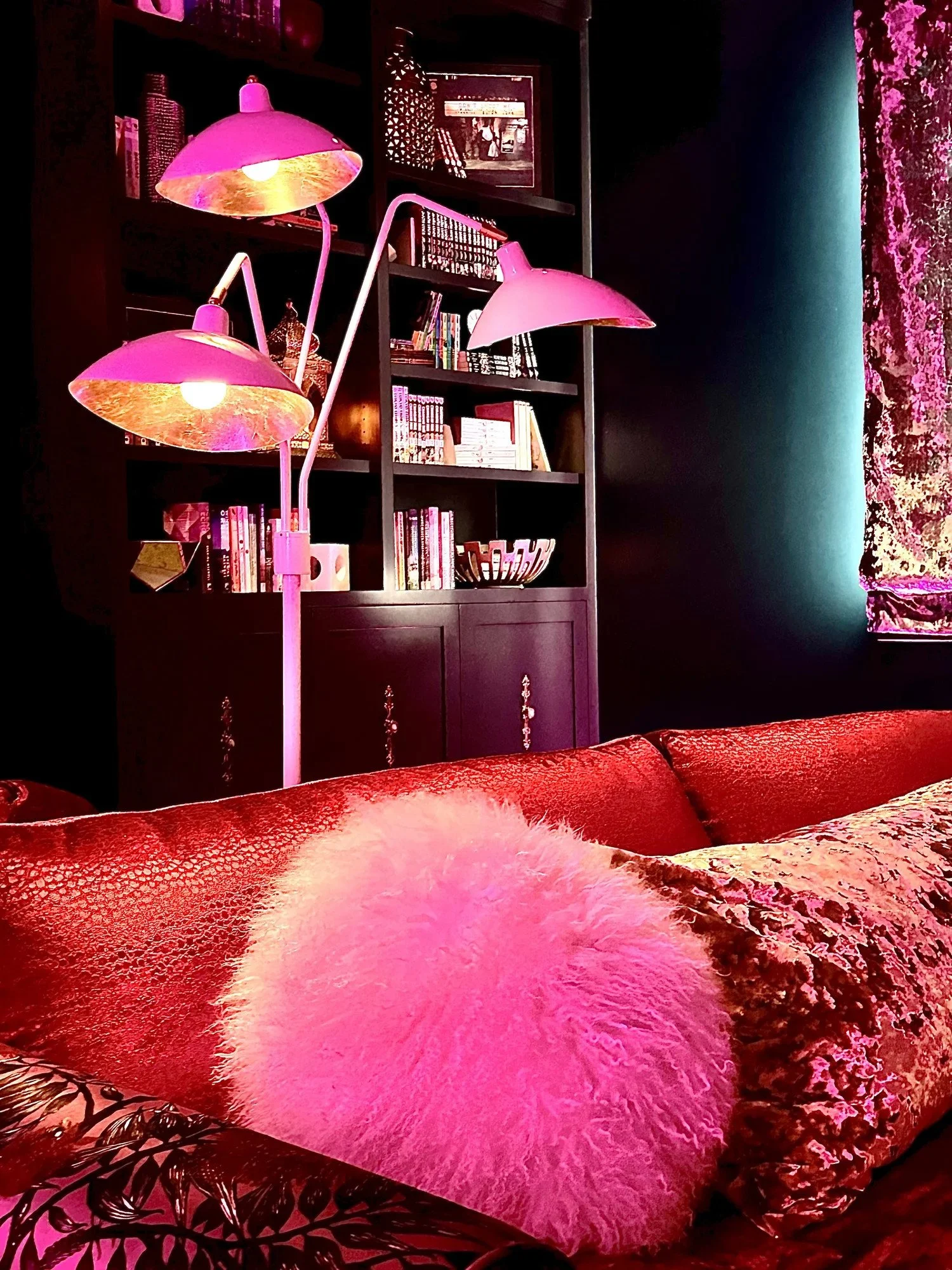
This over‑the‑garage bonus room was designed for Alison, a thoughtful Gen‑Z client who rescues cats, collects vinyl, and loves to game. Our brief was joy and comfort, a sensory‑rich space that lets her escape, focus, and feel held.
We started with what would support her well‑being day to day. A deep, textural palette that keeps glare low for gaming and lowers visual noise. Layered lighting, including LED base‑trim accents, so she can tune the room to her energy. A bespoke sectional from our long‑time upholstery team for real‑life lounging with a place to put your feet up and set a drink down.
Because Alison’s cats are part of the family, we planned for them too: a custom litter‑box zone with ventilation (thank you to Opus Vitae Construction for the clever, high‑efficiency system), a window seat cushion for sunny naps, and a climbing wall so movement belongs here.
The result is a room Alison actually uses - morning light for music, afternoon gaming in comfort, evening wind‑downs with a cat or two. It supports her rituals, lowers friction, and makes every day feel a little kinder. That is wellness design in practice.


Why This Approach Works
Calm homes are not quiet because nothing is happening; they are quiet because the space is doing its job. Light is flattering, sound is softened, materials invite touch, scale feels human, and the room is set up for the life you actually live. You exhale without asking yourself to.
If you are ready to make your home feel better to live in - gentler, more supportive, more you, we would love to help. Get in touch here.
’Til next time,
Arlene